
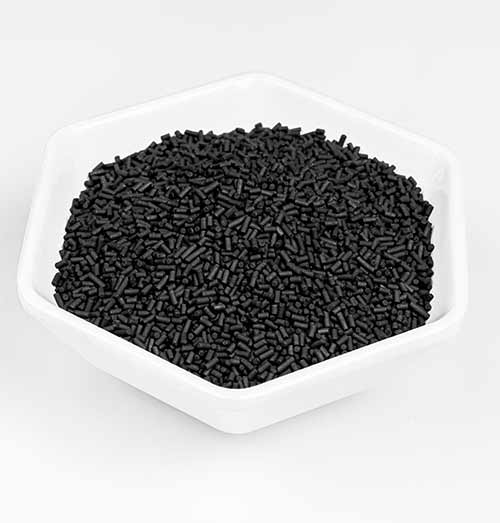
Navios-tanque de petróleo, navios-tanque de produtos químicos, navios de GNL e FPSOs offshore são obrigados a equipar-se com sistemas de gás inerte em conformidade com os regulamentos marítimos da IMO para mitigar os riscos de inflamabilidade a bordo. Os sistemas tradicionais de inertização de gases de combustão sofrem com a corrosão por enxofre e contaminantes indesejáveis. Os geradores de nitrogênio PSA a bordo, que produzem nitrogênio limpo e seco diretamente do ar ambiente, tornaram-se uma solução amplamente adotada. Como adsorvente principal que permite a separação de nitrogênio e oxigênio, peneira molecular de carbono (CMS) Determina a estabilidade da produção de gás e a confiabilidade operacional dos equipamentos de geração de nitrogênio marítimo, fatores críticos que afetam a segurança da viagem.
1. Por que o nitrogênio PSA é indispensável para a segurança das operações marítimas
Embarcações marítimas operam em espaços confinados sob impactos ambientais marinhos contínuos, com acesso limitado a suprimentos externos durante longas viagens oceânicas. Vapores inflamáveis acumulados em tanques de carga, resíduos de substâncias perigosas dentro de dutos e riscos de corrosão nas estruturas do casco representam ameaças persistentes à segurança da navegação. O oxigênio é o principal fator que desencadeia a combustão, a deterioração química e a ferrugem acelerada de metais.
O nitrogênio apresenta inércia química estável e baixo ponto de orvalho quando gerado corretamente. Ele pode reduzir a concentração de oxigênio em compartimentos confinados, formar uma atmosfera inerte sustentada e suprimir riscos de explosão.
Diferentemente da fabricação de semicondutores, que exige nitrogênio de altíssima pureza, ou dos cenários de mineração, que priorizam vazões extragrandes, a maioria das aplicações convencionais de inertização marítima (navios transportadores de petróleo bruto e produtos químicos) normalmente requer pureza estável de nitrogênio de 95% a 99,5%, dependendo das propriedades da carga e dos requisitos da IMO; para navios transportadores de GNL e produtos químicos especiais, pode-se adotar uma pureza mais alta (99,9% a 99,99%) com estágios adicionais de purificação. Os materiais convencionais de separação de gases têm dificuldade em manter um desempenho estável em condições marítimas úmidas, salinas e propensas a vibrações, enquanto os sistemas de separação de gases (CMS) de grau marítimo dedicados podem se adaptar aos ambientes de trabalho severos a bordo e manter uma capacidade de separação confiável em ciclos de longo prazo.
2. Principais cenários de aplicação do nitrogênio PSA de grau marinho para sistemas de gerenciamento de carbono (CMS)
Nitrogênio PSA baseado em CMS As unidades são amplamente instaladas em salas de máquinas para fornecimento contínuo de gás, abrangendo navegação de rotina, manuseio de carga e manutenção de navios. Esses cenários de aplicação diferem significativamente das aplicações petroquímicas, de semicondutores e de mineração em terra, em termos de condições operacionais e prioridades de desempenho.
2.1 Inertização do Tanque de Carga
Esta é a principal aplicação dos sistemas de nitrogênio a bordo. Durante o carregamento, descarregamento e transporte marítimo de cargas líquidas, o nitrogênio é injetado continuamente nos tanques de carga para reduzir os níveis internos de oxigênio. A atmosfera inerte impede a formação de misturas explosivas de hidrocarbonetos e ar, além de prevenir a oxidação e deterioração do petróleo e dos produtos químicos transportados.
2.2 Purga de tubulações e tanques antes da manutenção
Antes de reparos em doca ou substituição de fluidos, a purga com nitrogênio desloca os vapores residuais inflamáveis dentro de tubulações e tanques de armazenamento. Isso elimina os riscos ocultos de explosão causados por trabalhos a quente e cria condições operacionais seguras para os técnicos a bordo.
2.3 Proteção para equipamentos de GNL e criogênicos
A proteção com nitrogênio é aplicada a bombas criogênicas, válvulas e tubulações de conexão em navios de transporte de GNL. O gás inerte seco evita o acúmulo de gelo, o congelamento da água e a corrosão oxidativa em componentes de baixa temperatura, mantendo a operação estável de instalações criogênicas especiais.
2.4 Prevenção da corrosão em compartimentos fechados do casco
Tanques de lastro, espaços de fundo duplo e compartimentos vazios podem ser preenchidos com nitrogênio seco. A redução do oxigênio e da umidade retarda a corrosão eletroquímica das estruturas de aço, prolongando a vida útil do casco da embarcação.
3. Vantagens exclusivas de um CMS específico para o setor marítimo, adaptadas às condições de trabalho de embarcações.
As condições operacionais marítimas são muito mais rigorosas do que os ambientes industriais terrestres padrão. As embarcações enfrentam vibração constante causada pelas ondas, alta umidade atmosférica com névoa salina, suporte de manutenção limitado durante longas viagens e restrições de espaço compacto nas casas de máquinas. Os sistemas de gerenciamento de carga (CMS) industriais comuns são propensos à degradação acelerada do desempenho e à pulverização em condições a bordo, enquanto os CMS marítimos personalizados oferecem adaptabilidade direcionada.
3.1 Elevada resistência mecânica e desempenho antipulverização
O balanço e a vibração constantes do casco levam a frequentes atritos e colisões entre as partículas adsorventes. O CMS Marinho apresenta alta resistência à compressão e baixa taxa de desgaste, reduzindo significativamente a geração de poeira de carbono. Ele ajuda a prevenir o bloqueio de tubulações, quedas de pressão anormais e contaminação secundária causadas pela pulverização do material.
3.2 Tolerância aprimorada à flutuação da umidade
A atmosfera marinha contém abundante umidade e traços de partículas de sal. Com um pré-tratamento de ar comprimido adequadamente projetado (incluindo secagem, filtração coalescente e leito de carvão ativado para remoção de vapor de óleo), a estrutura de poros otimizada permite que o CMS marinho retarde significativamente o bloqueio de poros induzido pela umidade e a degradação da eficiência dentro das faixas de tolerância projetadas, desde que o pré-tratamento de ar comprimido seja mantido adequadamente.
3.3 Desempenho estável para operação contínua de longa duração
Embarcações de longo curso podem permanecer no mar por meses sem acesso a um porto. O CMS de grau marítimo mantém um desempenho estável nos ciclos de adsorção-dessorção sob condições prolongadas de operação ininterrupta, com atenuação gradual dentro de limites aceitáveis, retardando a degradação do desempenho e estendendo os intervalos de serviço para a substituição do adsorvente.
3.4 Relação ar/nitrogênio otimizada para um layout compacto a bordo
O espaço na casa de máquinas dos navios é extremamente limitado. O sistema Marine CMS alcança uma eficiência favorável na produção de nitrogênio, permitindo um projeto de torre PSA mais compacto, reduzindo a área total ocupada pelo sistema de geração de nitrogênio. O design compacto facilita a instalação modular e se adapta às restrições de espaço de diversos tipos de embarcações.
4. Riscos que um CMS de baixa qualidade acarreta para a segurança e operação da navegação
Os sistemas de inertização marítima têm responsabilidades críticas de segurança, e a qualidade do CMS (Sistema de Gerenciamento de Carga) determina diretamente a eficácia do controle de riscos a bordo. Um CMS de uso geral de qualidade inferior pode desencadear múltiplos perigos ocultos e perdas econômicas.
O CMS de baixa qualidade apresenta seletividade deficiente entre nitrogênio e oxigênio, resultando em instabilidade na pureza do nitrogênio. O efeito inertizante insuficiente dificulta o controle confiável da concentração de oxigênio dentro dos tanques de carga, atendendo aos padrões de segurança, violando os requisitos de inspeção marítima e criando riscos de explosão. A baixa resistência mecânica leva à pulverização severa durante a operação; o pó de carbono circula nas tubulações, bloqueando filtros, válvulas de controle e componentes acionados pneumaticamente, interrompendo o fornecimento normal de nitrogênio e aumentando a frequência de manutenção.
Além disso, sistemas de gerenciamento de carga (CMS) de qualidade inferior não oferecem resistência à umidade do ar marítimo. A capacidade de adsorção diminui rapidamente em condições de viagem. Uma queda inesperada na produção interromperá a inertização contínua dos tanques. Paradas não planejadas para substituição do CMS interferem nos cronogramas de navegação e geram custos extras de manutenção para os operadores de navios.
5. Critérios de seleção de CMS profissional para a indústria naval
Ao adquirir CMS para geradores de nitrogênio PSA a bordo, os armadores e integradores de sistemas devem priorizar indicadores voltados para o setor marítimo, em vez de se basearem exclusivamente em especificações de adsorventes desenvolvidas principalmente para outros setores.
Primeiramente, certifique-se de que a pureza do nitrogênio seja adequada às aplicações específicas a bordo. A inertização convencional de tanques de carga de petróleo bruto e produtos químicos geralmente requer uma pureza estável de 95% a 99,5%, variando conforme o ponto de fulgor da carga e a duração da viagem; para GNL e certos produtos químicos, pode-se especificar 99,9% ou mais. O foco deve ser na capacidade de produção sustentada.
Em segundo lugar, enfatizar a resistência à compressão, a resistência ao desgaste e a capacidade antipulverização para suportar a vibração prolongada no mar.
Em terceiro lugar, avalie a resistência à umidade para garantir um desempenho estável sob a umidade variável do ar comprimido a bordo.
Em quarto lugar, examine a vida útil do ciclo e a taxa de atenuação a longo prazo para reduzir as perdas por tempo de inatividade decorrentes de substituições frequentes. Por fim, selecione um sistema de gerenciamento de componentes (CMS) adaptado para uso marítimo, compatível com equipamentos compactos de nitrogênio PSA, para atender aos limites de instalação dentro das salas de máquinas das embarcações.
6. Conclusão
O fornecimento confiável de gás inerte é uma garantia fundamental para a segurança da navegação de navios mercantes modernos. Como principal adsorvente dos sistemas de geração de nitrogênio PSA a bordo, o CMS de grau marítimo fornece nitrogênio estável e contínuo para inertização de tanques de carga, purga de dutos, proteção de equipamentos criogênicos e anticorrosão do casco.
Diferentemente dos sistemas de gerenciamento de carga (CMS) para semicondutores, otimizados para altíssima pureza, dos CMS petroquímicos, projetados para operação estável em fábricas terrestres, e dos CMS para mineração, orientados para inertização contínua de grandes fluxos com tolerância a ciclos frequentes de partida e parada, os CMS específicos para o ambiente marítimo têm como principais vantagens a resistência à vibração, a adaptabilidade à umidade e a estabilidade em longos ciclos. Com um projeto de sistema adequado e manutenção regular, eles podem se adaptar continuamente ao complexo ambiente oceânico, reduzindo efetivamente os riscos à segurança marítima e os custos operacionais totais.
A seleção de peneiras moleculares de carbono de alto desempenho para uso marítimo, adequadas às condições operacionais da embarcação, é uma medida fundamental para que as empresas de transporte marítimo garantam a segurança da navegação, reduzam os custos de manutenção e implementem a prevenção padronizada de riscos a bordo.
Continue lendo, fique por dentro, assine e sinta-se à vontade para nos dizer o que pensa.

Direitos autorais
@ 2026 Peneira molecular Co. de Chizhou Shanli, Ltd. Todos os direitos reservados.
 SUPORTADO POR REDE
Hi! Click one of our members below to chat on